The Rhythm of Uji: Green Tea Pilgrimage and Zen Geometry
Tracing the origin of Japan's most refined shaded matcha and discovering how centuries-old tea rituals continue to sculpt architecture and mindfulness.
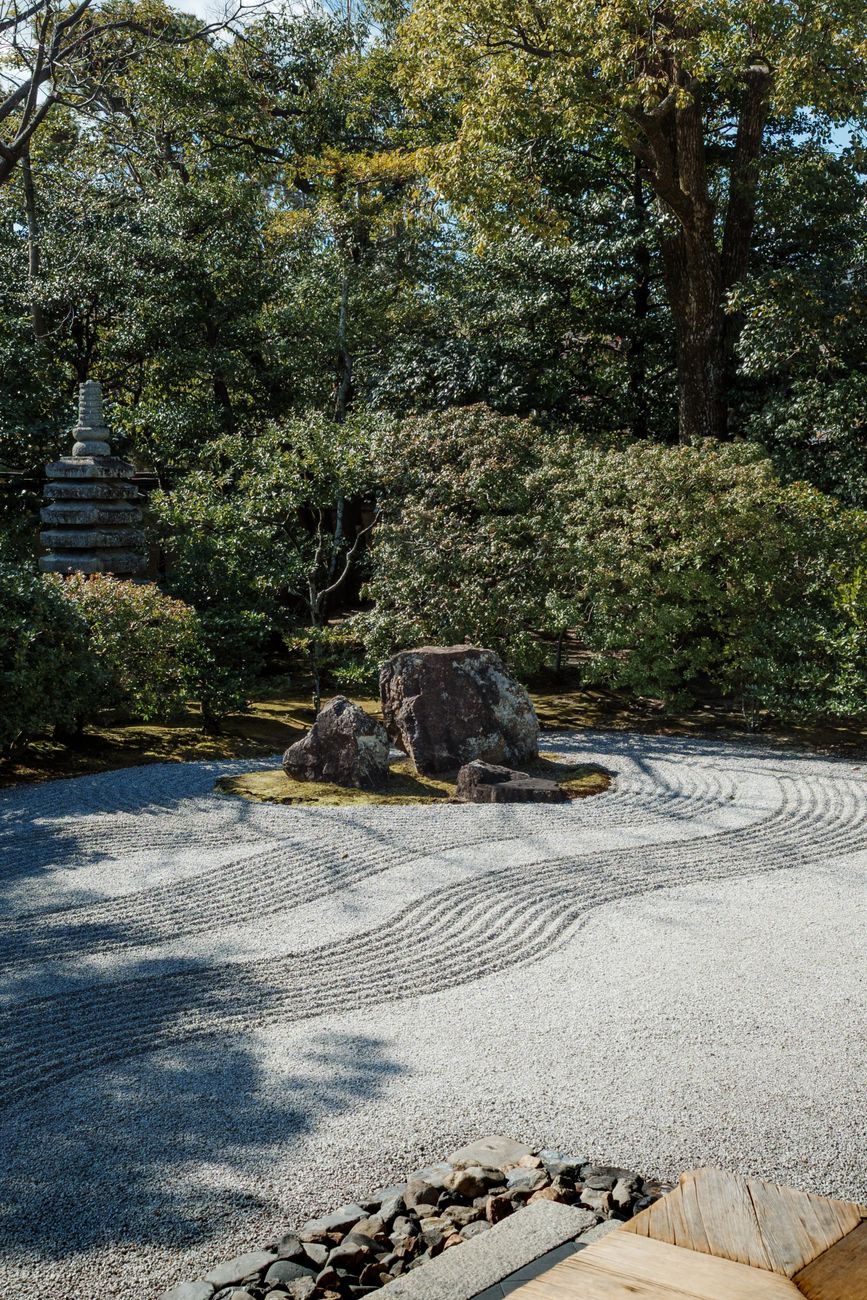
The tranquil garden boundary at a generational tea estate in Uji, Kyoto Prefecture.
Just south of Kyoto along the mist-laden banks of the Uji River lies the birthplace of Japanese tea culture. Here, in the twelfth century, the Zen monk Eisai planted tea seeds brought back from China, establishing an agricultural tradition that would eventually cultivate the sublime art of the chanoyu tea ceremony.
The Art of Shade and Umami
In mid-spring, the terraced hills of Uji undergo an extraordinary visual transformation. Farmers cover the tea bushes with traditional reed screens and straw mats (honzu shading) to shield the tender leaves from direct sunlight for up to three weeks before harvest. This deliberate deprivation reduces photosynthesis, allowing amino acids like L-theanine to concentrate within the leaf, yielding a rich, savory umami sweetness unique to authentic gyokuro and ceremonial matcha.
"To prepare tea is not merely to mix water with leaves; it is an exercise in mindfulness, where every movement of the bamboo whisk reflects the condition of the heart."
Architectural Restraint
Walking through the quiet alleys away from Byodoin Temple, one notices how the aesthetics of tea permeate local architecture. Unpainted cedar boards, earth-plastered walls, and shoji screens that diffuse bright light create interior spaces where shadows are celebrated rather than banished. In these serene rooms, sound is softened, and the aroma of roasted hojicha wafting from clay roasters is all that occupies the senses.
- Key Estate Visits: Seek out family-run purveyors along Uji River who still offer single-cultivar tastings.
- Ceramic Tradition: Asahi pottery, crafted locally from local river clay and riverbed sand, exhibits subtle iron spotting prized by tea masters.
- Best Time to Visit: Early May during the first flush (shincha) harvest, or late November when the surrounding maples turn crimson.
Finding Stillness in Modernity
In our hyper-connected world, the ritual of Uji offers an antidote to sensory fatigue. Sitting in a silent tatami room overlooking a modest moss courtyard, watching hot steam rise from an iron kettle, one finds that time does not stop—it simply expands, giving space to breathe and contemplate.
Plan a Mindful Journey in Japan
Let 111111 connect you directly with independent artisans, temple lodges, and master ceramicists in the Kyoto prefecture.
Inquire Custom Journey